Why Power Distribution in Commercial Buildings Becomes Uneven
Uneven power distribution in a commercial building means some circuits or phases carry more current than others. This imbalance causes voltage drops, overheated neutral wires, tripped breakers, and equipment malfunctions. In a properly designed system, the load is spread evenly across all three phases of the supply. When that balance is lost, the building’s electrical infrastructure works harder and less efficiently.
The root causes are usually related to how the building was originally wired, how it has been modified over time, and how the equipment inside it is used. Commercial electrical installation that follows code and good practice should produce balanced loads, but real-world conditions often introduce problems. Understanding what creates the imbalance helps facility managers, business owners, and electricians identify issues before they cause downtime or damage.
The basics of three-phase power and balance
Most commercial buildings receive power as three-phase alternating current. The utility transformer delivers three separate voltage waveforms, each offset by 120 degrees. Single-phase loads, like lighting, office equipment, and small machinery, are divided among these three phases. When the loads are roughly equal, the current on the neutral conductor stays near zero, and each phase conductor carries a manageable amount of current. That is the ideal state.
Balance is not just about total wattage. It is about how current is shared across the phases at any moment. A building may have enough capacity on paper but still suffer from uneven distribution because of the way circuits are assigned. For example, if most of the high-wattage equipment is on phase A and only light loads are on phase B and C, the system is out of balance. The neutral wire then carries the difference, which can exceed its rating and cause overheating.
Common causes of uneven power distribution
1. Changes in building use without electrical upgrades
Commercial spaces are rarely static. A floor that originally housed low-power offices may later become a data center, a workshop, or a medical lab. Each change brings new equipment with different power demands. If the electrical system is not reconfigured to match the new load profile, certain circuits become overloaded while others sit nearly empty.
This is especially common in older buildings where the original panel schedules are outdated. An electrician might add a new circuit for a piece of machinery without checking how it affects the overall phase balance. Over time, the cumulative effect of many small additions creates a significant imbalance.
2. Single-phase loads connected to a three-phase system
Three-phase panels have slots for single-pole, two-pole, and three-pole breakers. Single-pole breakers serve 120-volt loads. When these breakers are installed randomly, without regard for which phase they tap into, the loading across the phases can become lopsided. A panel that has ten single-pole breakers on phase A and only four on phase B and C will show a clear imbalance.

This problem is easy to create during initial installation if the electrician does not plan the circuit layout. It also happens during renovations when new circuits are added to the nearest available space in the panel, not to the phase that needs more load.
3. High-wattage equipment that runs intermittently
Some equipment draws a large current but runs only part of the time, such as HVAC compressors, elevators, pumps, and commercial kitchen appliances. When that equipment cycles on, it can suddenly increase the load on one phase by a large amount. If the rest of the building’s loads are not distributed to compensate, the imbalance appears only when that equipment runs.
This intermittent nature makes the problem harder to diagnose. A spot check during off-peak hours might show balanced readings, but during peak operation the voltage on the heavily loaded phase drops, affecting sensitive electronics on the same circuit.
4. Loose or corroded connections in the distribution system
Uneven power distribution can also be caused by poor connections rather than by load assignment. The main switchgear, transformer terminations, busbars, and feeder circuits all rely on tight, clean metal-to-metal contact. A loose connection on one phase creates higher resistance on that path. Current through that phase then drops, and the other phases pick up the slack. The result appears as an imbalance, but the real issue is a faulty connection that generates heat and wastes energy.
This type of problem is dangerous because it can go unnoticed for a long time. Thermal imaging and regular infrared scans of electrical panels are common ways to detect hot spots that indicate a bad connection.
How to identify uneven power distribution
The first sign is often a voltage reading that differs by more than a few percent between phases. A qualified electrician can measure voltage at the panel while the building is under typical load. Current readings on each phase tell the same story. If phase A shows 150 amps while phase B shows 90 amps and phase C shows 100 amps, the system is out of balance.
Another indicator is a warm or buzzing neutral conductor at the panel. When the neutral carries current from an imbalance, it can overheat if the wire gauge is too small. Dimming lights, flickering displays, and motors running hot are also symptoms. Persistent tripping of breakers on one phase often points to an overload caused by poor distribution.
Load balancing is usually done by moving some circuits from the heavily loaded phase to a lighter one. This requires turning off power, rearranging breakers in the panel, and reconnecting loads. It is a job for a licensed electrician. The work is straightforward but must be done carefully to avoid creating new problems.
The role of the electrical panel and main switchgear
The main distribution panel is the central point where the utility supply enters the building and splits into branch circuits. Inside the panel, busbars carry current to each breaker position. The arrangement of these busbars determines which phases are available at each slot. Three-phase panels typically have three busbars, one for each phase. A single-pole breaker connects to one busbar, a two-pole breaker to two, and a three-pole breaker to all three.
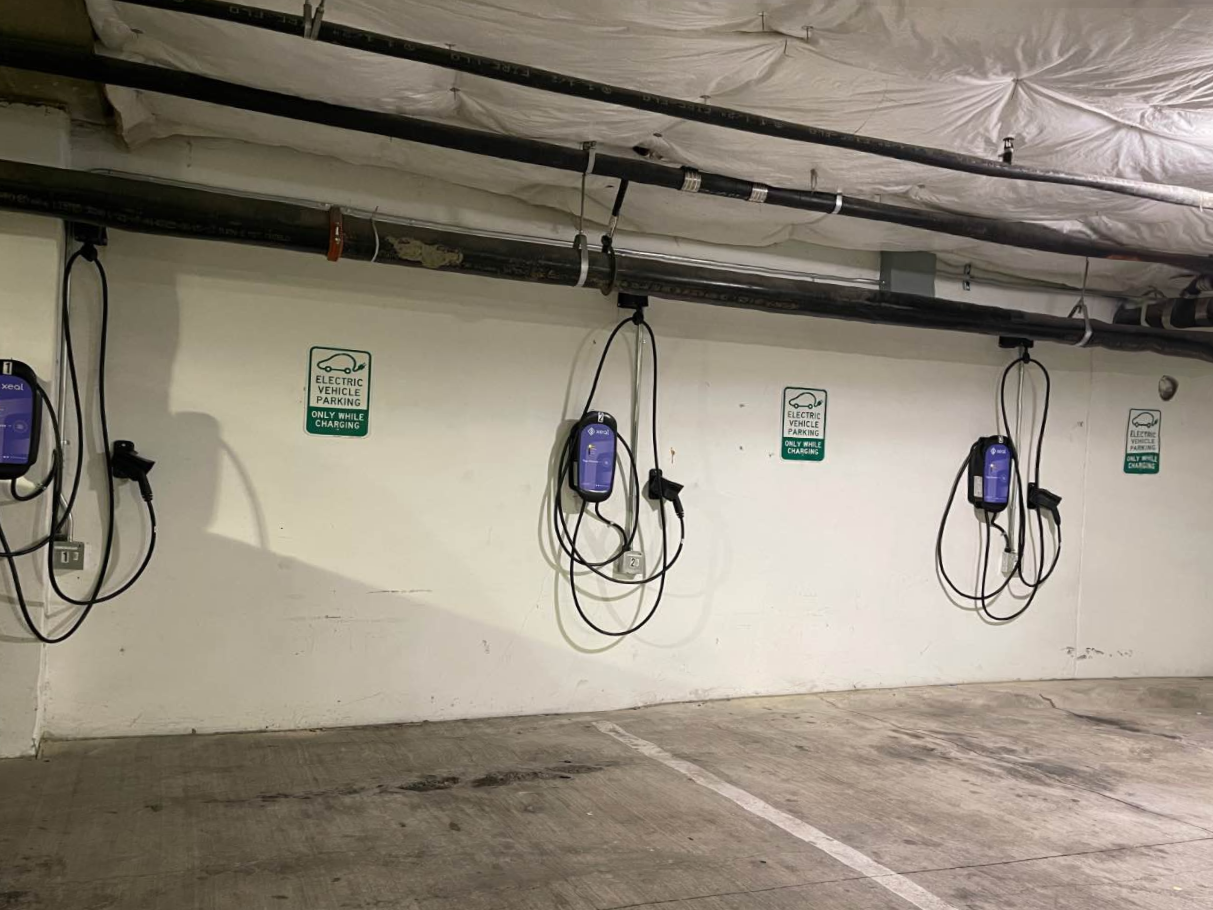
If the panel layout is not designed with balance in mind, it is easy to load one busbar more than the others. In large buildings, multiple subpanels are fed from the main switchgear. An imbalance can start at the main panel and propagate downstream, or it can originate in a subpanel and affect only that area. Tracing the source requires a systematic check from the transformer all the way to the final circuits.
Wooding Electric handles commercial electrical installation and power distribution work in the Bay Area. One of the common issues their teams encounter is a building that has been expanded or remodeled without corresponding electrical updates. The imbalance is often hidden until a new piece of equipment is added and the system starts tripping or running hot.
Long-term effects of ignoring the problem
An unbalanced system does more than cause nuisance trips. It reduces the usable capacity of the electrical service because the panel’s rating is limited by the most heavily loaded phase. Even if the other two phases have spare capacity, the system cannot supply more power without overloading the hot phase. This forces businesses to add new panels or upgrade the service when a simple rebalance might have freed up enough capacity.
Overheating in the neutral conductor is a serious fire risk. In a three-phase system, the neutral carries the vector sum of the phase currents. When the phases are balanced, that sum is near zero. When they are out of balance, the neutral current can approach the phase current. If the neutral wire is undersized, as was common in older installations, it can overheat and damage insulation or start a fire.
Motors and transformers on an unbalanced supply run less efficiently and wear out faster. Voltage imbalances cause motors to draw higher current, generate more heat, and lose torque. This shortens the lifespan of compressors, fans, pumps, and other rotating equipment.
Preventive measures and best practices
The best way to avoid uneven power distribution is to plan for balance during the initial commercial electrical installation. That means mapping out all expected loads and assigning circuits so that the current on each phase is as equal as possible. It also means leaving room in the panel for future circuits, and recording which phase each breaker uses so that later modifications can be made with balance in mind.
Regular maintenance checks should include a phase current reading at the main panel and at key subpanels. Any reading that differs by more than 10% between phases should be investigated. Infrared scans of the panel and switchgear can catch loose connections before they cause problems. Load balancing is not a one-time task; it should be revisited whenever the building’s equipment changes significantly.
Property managers and business owners should keep a record of all electrical modifications. When a new tenant moves in or a new machine is installed, the electrician should check the panel loading and move circuits if needed. This simple step prevents the gradual drift toward imbalance that happens in many commercial buildings.
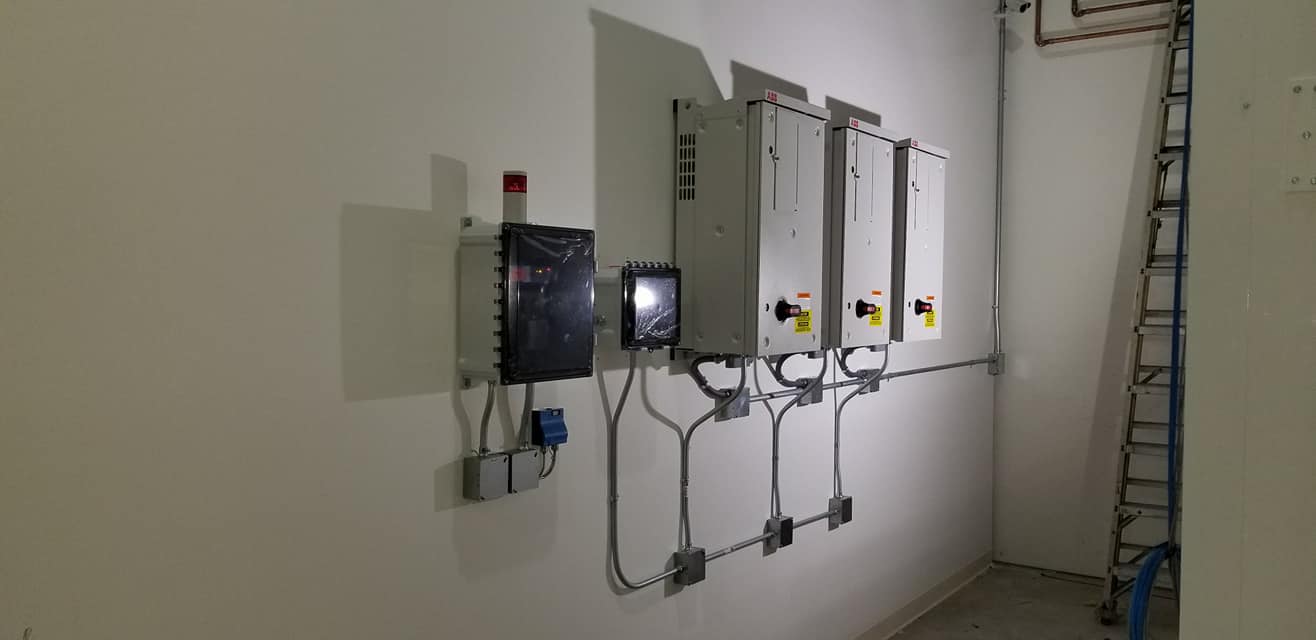
Wooding Electric provides troubleshooting and upgrade services for businesses in San Jose, Santa Clara, and surrounding Bay Area cities. Their experience shows that catching an imbalance early saves money on repairs and prevents unexpected downtime. A balanced system runs cooler, uses the full capacity of the service, and keeps equipment running as designed.
When to call a professional
Any work inside an electrical panel, on busbars, or on main switchgear should be done by a licensed electrician. Load balancing involves moving live circuits and reconfiguring breaker positions. The risk of arc flash, shock, or creating a new imbalance is real. A professional will use proper tools, follow safety procedures, and test the results after the work is complete.
If the voltage imbalance is more than a few percent, or if the neutral wire feels warm to the touch, the building should be inspected promptly. These are signs of an overloaded system that can escalate into a fire hazard. The fix is usually straightforward, but ignoring it is not worth the risk.
Uneven power distribution is a solvable problem. It comes from how loads are connected, how the building has changed over time, and sometimes from simple wear and tear on connections. With a methodical approach and regular attention, any commercial building can maintain a balanced, efficient, and safe electrical system.